Blog Posts
How to Help Someone With Meth Addiction Safely
Jul
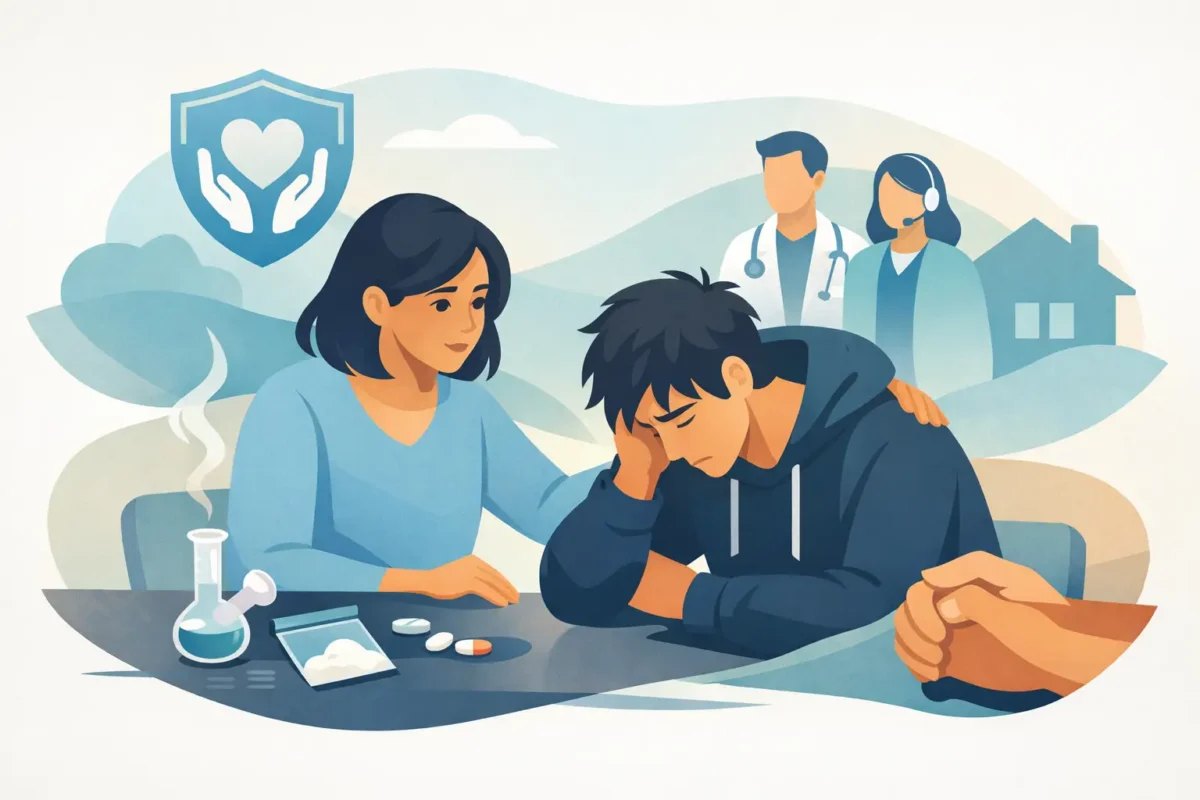
A person using meth may insist they are fine while sleeping very little, becoming suspicious of people they trust, losing weight, missing work, or cycling between intense energy and a devastating crash. Watching that happen can create panic, anger, and a powerful urge to force change. But learning how to help someone with meth addiction starts with a harder truth: you cannot make another person stop. You can make it safer and more likely that they accept help.
Methamphetamine addiction is not a character flaw or a problem solved by one emotional conversation. It can change sleep, appetite, judgment, mood, and perception. Recovery often takes repeated attempts, practical support, professional treatment, and firm boundaries from the people who care.
Start the Conversation When Things Are Calm
Do not confront someone when they are high, severely sleep-deprived, paranoid, or in the middle of an argument. Their ability to process concern may be limited, and a forceful confrontation can make them feel cornered or unsafe. Wait for a relatively calm, private moment when you are sober and can speak without rushing.
Use observations rather than labels. For example: “I’ve noticed you haven’t slept much, you seem scared lately, and you missed work again. I’m worried about you.” This lands differently than “You’re a meth addict” or “You’re ruining your life.” The goal is not to win an argument about whether they have a problem. The goal is to keep the door open.
Ask direct but nonjudgmental questions: “How often are you using?” “What happens when you try not to?” “Are you feeling depressed or unsafe?” Then listen. People are more likely to accept support when they feel heard, even if they are not ready to agree with everything you say.
It may take several conversations. A calm, consistent message works better than threats you cannot or will not carry out.
Know When It Is an Emergency
Meth use can become a medical or psychiatric emergency. Call 911 or seek emergency care immediately if the person has chest pain, trouble breathing, a seizure, collapses, has signs of a stroke, becomes dangerously overheated, or talks about harming themselves or someone else.
Severe paranoia, hallucinations, extreme agitation, or violent behavior also require urgent help. Do not try to physically restrain someone who is frightened, confused, or aggressive. Give them space, speak quietly, avoid sudden movements, and prioritize your own safety. If there are weapons present, leave the area if possible and tell emergency responders.
If someone expresses suicidal thoughts, stay with them if it is safe to do so and contact 988, the Suicide & Crisis Lifeline, in the United States. If there is immediate danger, call 911. A stimulant crash can bring intense depression, exhaustion, and hopelessness, even in someone who seemed energetic only hours earlier.
Offer Concrete Help, Not Vague Promises
“Let me know if you need anything” is kind, but it can be difficult for a person in crisis to act on. Specific offers lower the barrier to treatment. You might offer to sit with them while they call a treatment provider, drive them to an assessment, help them find a detox or outpatient program, or care for a pet while they attend appointments.
Treatment is not one-size-fits-all. Some people need medically supervised withdrawal support, especially when meth use occurs alongside alcohol, benzodiazepines, opioids, or serious mental health symptoms. Others may benefit from outpatient counseling, contingency management, intensive outpatient care, residential treatment, peer recovery groups, or a combination of services.
Contingency management is a behavioral treatment that provides incentives for meeting recovery goals, such as attending appointments or having drug-free test results. It has strong evidence for stimulant use disorders, though availability varies. Cognitive behavioral therapy and community reinforcement approaches can also help people identify triggers, build routines, and replace drug-centered social patterns.
A primary care clinician, addiction medicine provider, therapist, or local substance use treatment program can help determine the appropriate level of care. If the person has no insurance or limited money, ask about publicly funded programs, sliding-scale care, county behavioral health services, and state treatment referral lines. Financial stress should not be allowed to become the reason help is never pursued.
Support Recovery Without Taking Over
Helping does not mean managing every choice, paying every bill, or shielding someone from every consequence. Those actions can unintentionally keep the addiction going. Support works best when it is compassionate and boundaried.
You can say, “I will help you get to treatment,” while also saying, “I will not give you cash,” or, “You cannot use drugs in my home.” Be clear about what you can offer and what you cannot. Follow through consistently. Boundaries are not punishment. They protect both people and make your support credible.
Avoid giving money that could be used to buy drugs. If basic needs are the concern, offer groceries, a ride, a meal, a phone call to a service provider, or help paying a bill directly when appropriate. If they are staying with you, think through safety issues beforehand, including visitors, theft, children in the home, and whether you can realistically maintain the arrangement.
Recovery can include relapse. A return to use does not mean treatment failed or that your support was pointless. It does mean the plan needs attention. Encourage the person to reconnect with care quickly, review what led up to the relapse, and address practical triggers such as housing instability, untreated anxiety, isolation, or contact with people they used with.
Reduce Immediate Harm If They Are Not Ready for Treatment
Some people will refuse help at first. You do not have to approve of their use to reduce the chance of death or serious injury. Encourage them not to use alone and to seek medical attention for chest pain, severe anxiety, confusion, overheating, or suicidal thoughts. Encourage food, water, rest, and medical care after prolonged use, while recognizing that hydration alone does not resolve stimulant toxicity.
Because illicit drugs can be contaminated with fentanyl, having naloxone available can save a life if opioid exposure occurs. Naloxone will not reverse meth effects, but it can reverse an opioid overdose and is safe to give when an overdose is suspected. Slow or stopped breathing, blue or gray lips, and inability to wake up are emergency signs.
Do not encourage mixing meth with alcohol, opioids, benzodiazepines, or other drugs. Mixing substances makes overdose, impaired judgment, heart problems, and mental health symptoms more unpredictable. Also avoid driving with someone who is intoxicated or severely sleep-deprived.
Take Care of Yourself Too
Loving someone with meth addiction can consume your attention. You may feel guilty for setting limits, angry about lies, or exhausted from waiting for the next crisis. Those reactions are common, and they deserve support rather than shame.
Consider speaking with a therapist, joining a family support group, or confiding in someone who understands addiction without feeding gossip or blame. Make a safety plan if the person has been threatening, stealing, or bringing unsafe activity into your home. If children are involved, their safety and stability must come first.
You are allowed to step back from contact when the relationship becomes unsafe. You are allowed to say no. Staying connected to a person does not require sacrificing your health, finances, housing, or peace of mind.
The most helpful message is often simple and repeated over time: “I care about you. I will help you get real treatment. I will not support the addiction.” That combination of compassion, honesty, and boundaries gives someone a clearer path back when they are ready to take it.