
Blog Posts
Meth Withdrawal Timeline and Symptoms Explained
Jul
The meth withdrawal timeline and symptoms can feel brutally personal: one person sleeps for days, another cannot sleep at all, and someone else feels a crushing depression after the stimulant wears off. Withdrawal is not a test of character or willpower. It is the brain and body adjusting after repeated exposure to a powerful stimulant.
The safest next step is not trying to push through alone. A medical professional, addiction treatment program, or trusted support person can help monitor mood, sleep, hydration, and safety during a period when judgment may be impaired and relapse can feel urgent.
What Meth Withdrawal Is Like
Methamphetamine sharply increases dopamine and other brain chemicals involved in energy, attention, reward, and motivation. When use stops, those systems do not reset immediately. The result is often a hard crash followed by days or weeks of fatigue, low mood, disrupted sleep, cravings, and difficulty feeling pleasure.
Withdrawal varies based on how often someone used, the amount used, how it was taken, how long use has continued, and whether other substances are involved. Someone who has been using alcohol, opioids, benzodiazepines, or sleep medications as well may face additional withdrawal risks that need medical attention. Withdrawal from alcohol or benzodiazepines can become medically dangerous and should not be managed alone.
Meth withdrawal itself is not usually associated with the same seizure risk seen with alcohol or benzodiazepine withdrawal. Still, it can be dangerous because severe depression, suicidal thoughts, paranoia, psychosis, dehydration, malnutrition, heart problems, and polysubstance use can complicate the picture.
Meth Withdrawal Timeline and Symptoms
There is no exact clock for recovery, but many people recognize the following pattern. Symptoms can overlap, return unexpectedly, or last longer than expected. A relapse after even a short break can also raise overdose risk, especially when the drug supply may contain other substances.
First 24 to 48 Hours: The Crash
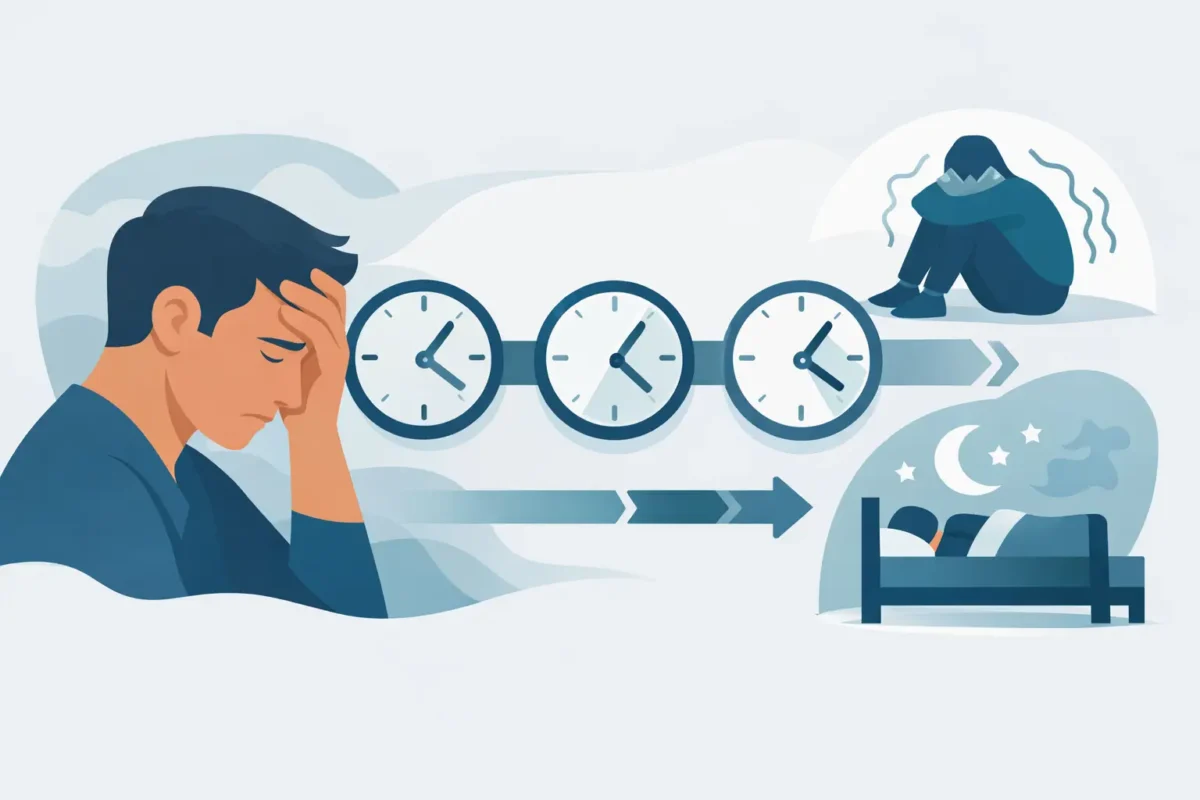
The first phase often begins within hours of the last use. Energy drops quickly, and the person may feel physically and emotionally depleted. Heavy sleep is common, though some people instead feel restless, anxious, or unable to settle.
Common early symptoms include intense tiredness, increased appetite, headache, body aches, irritability, anxiety, and strong cravings. Concentration can be poor, and ordinary tasks may feel impossible. Some people feel emotionally flat; others experience a sudden wave of sadness, shame, or panic.
This is a time to reduce demands, avoid driving if exhausted or distracted, drink fluids, eat regular meals when possible, and stay near someone safe. If there is chest pain, fainting, severe confusion, a dangerously fast heartbeat, or trouble breathing, seek emergency care immediately.
Days 3 to 10: Low Mood, Sleep Changes, and Cravings
For many people, the most intense crash begins to ease after a few days. That does not mean they feel well. Sleep may remain irregular, with long periods of sleeping, vivid dreams, insomnia, or waking up exhausted. Hunger can remain high as the body recovers from appetite suppression.
Depression is often strongest during this stage. A person may feel hopeless, disconnected, slowed down, or unable to enjoy anything. Anxiety, agitation, anger, and cravings can rise in response to stress, familiar places, certain people, or memories associated with using.
Some people also notice slowed thinking, poor memory, low motivation, and trouble making simple decisions. These symptoms can be frustrating, but they are common during early recovery. It helps to keep goals small: shower, eat, rest, attend an appointment, answer one message, or take a short walk with someone supportive.
Weeks 2 to 4: Improvement With Unpredictable Waves
During the second through fourth weeks, sleep, appetite, and basic energy may start to improve. Cravings can still be strong, particularly when a person is bored, isolated, stressed, or around drug-related cues. Mood may improve gradually rather than all at once.
This stage can be deceptive. Feeling better can lead someone to believe they no longer need support, while lingering depression or a sudden craving can create a high-risk moment. Structure matters here. Regular meals, a stable sleep schedule, therapy or peer support, medical follow-up, and distance from people or settings connected to use can reduce the chance of returning to meth.
One Month and Beyond: Recovery Takes Longer Than the Crash
Some symptoms can persist for weeks or months. This is sometimes called post-acute withdrawal, though experiences differ widely. Low motivation, sleep problems, anxiety, poor concentration, and periodic cravings may come and go. Recovery is rarely a straight line.
Long-term symptoms deserve attention, especially if they interfere with work, housing, relationships, or the ability to care for oneself. Depression, trauma, ADHD, anxiety disorders, and other conditions may have existed before meth use or may become more visible once use stops. A clinician can help distinguish these issues and create a treatment plan that does not rely on self-medicating.
When Withdrawal Needs Urgent Help
Call 911 or go to an emergency department if someone has suicidal thoughts with a plan or intent, has attempted self-harm, is hearing voices or seeing things that others do not, is severely paranoid or violent, cannot stay awake, has a seizure, or develops chest pain, severe headache, trouble breathing, or stroke-like symptoms.
Do not leave a person alone if they are talking about wanting to die, giving away possessions, saying goodbye, or appearing unable to stay safe. In the United States, calling or texting 988 connects people to the Suicide & Crisis Lifeline. If there is immediate danger, emergency services are the right choice.
Urgent medical advice is also appropriate when there is heavy use of alcohol, benzodiazepines, opioids, or unknown pills alongside meth. Combining substances changes the risk significantly. If opioids could be involved, having naloxone available can save a life during an overdose, but it does not replace emergency medical care.
What Actually Helps During Meth Withdrawal
There is no single medication that instantly ends meth withdrawal. Care usually focuses on stabilization, symptom treatment, mental health support, and building a plan that makes returning to use less likely. In some cases, supervised detox or a higher level of treatment is appropriate, especially when someone lacks a safe place to stay, has severe psychiatric symptoms, or has repeatedly relapsed after trying to stop alone.
Basic care makes a real difference. Rest, water or electrolyte drinks, nourishing food, and a calm environment support physical recovery. Avoid trying to counter the crash with alcohol, sedatives, opioids, or other stimulants. That approach can create a second dependence, trigger overdose, or make depression and anxiety worse.
Behavioral treatments are central to recovery from stimulant use disorder. Counseling can help identify the situations that drive use, while contingency management and structured recovery programs can provide practical reinforcement and accountability. Peer support can be useful too, but the best fit depends on the person. Some prefer group meetings, while others need private therapy, outpatient care, or residential treatment.
Planning for the Next Craving
Cravings tend to peak and fade like a wave. They can feel permanent in the moment, but they are not. Before a craving hits, remove drugs and related contacts where possible, tell one safe person what is happening, and plan a short alternative action such as eating, showering, calling someone, sitting in a public safe place, or getting to a meeting or clinic.
A return to use does not erase progress. It is a signal that the plan needs more support, different boundaries, or treatment for an underlying problem. The most useful response is to get safe, avoid using alone, and reconnect with care quickly rather than waiting for things to get worse.
Getting through meth withdrawal starts with one practical decision: make the next few hours safer than the last few, and let another person help carry the weight.