Blog Posts
Crystal Meth for Sale Online: Risks and Red Flags
Jul
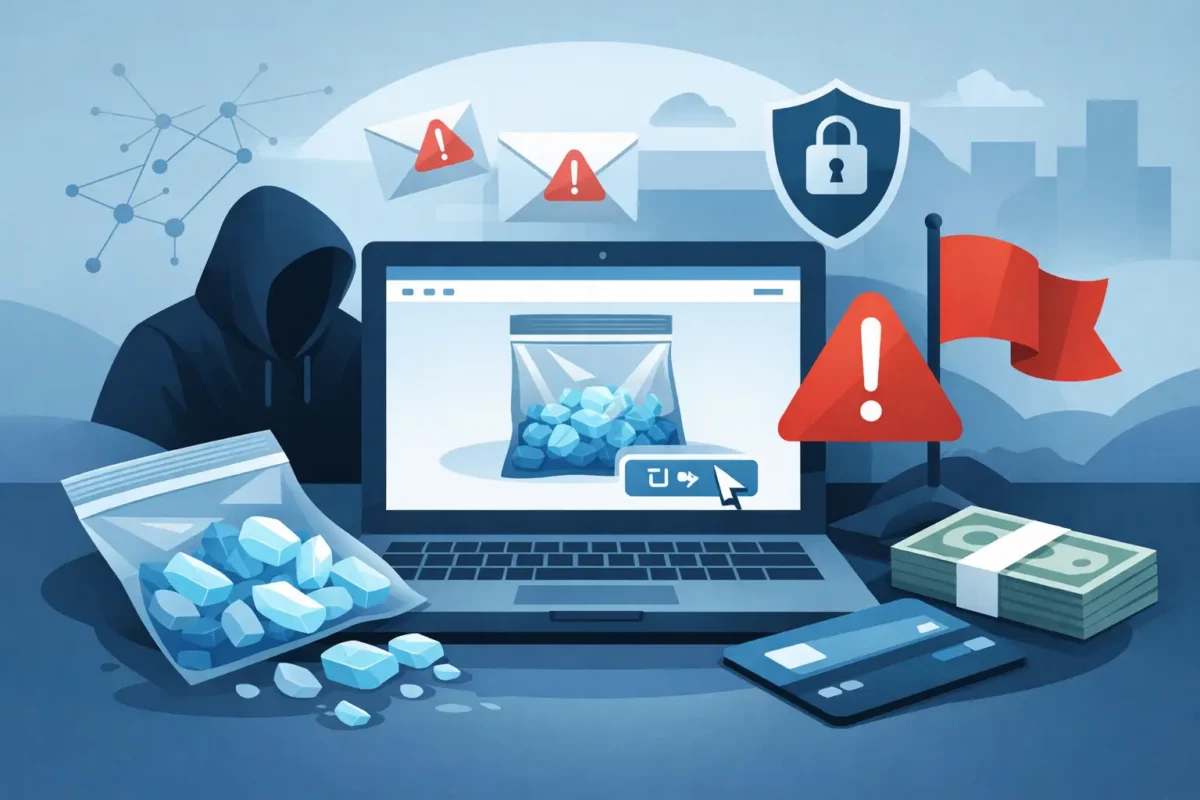
Search results for crystal meth for sale online are built to create urgency: claims of purity, fast delivery, anonymous payment, and no prescription needed. Those promises are not consumer protections. They are red flags that can expose people to counterfeit drugs, financial theft, violence, legal consequences, overdose, and a substance-use crisis that becomes harder to manage with every purchase.
This is not a safe retail category. A website, encrypted chat account, or direct-message seller cannot replace a licensed clinician, a regulated pharmacy, laboratory testing, or emergency medical support. If you are searching because you feel stuck, need energy to get through work, or are worried about withdrawal, there are safer next steps than sending money to an anonymous seller.
Why crystal meth for sale online is especially dangerous
Methamphetamine is a powerful stimulant that can increase alertness, heart rate, blood pressure, body temperature, and impulsive behavior. Its risks are not limited to addiction. A person can experience severe anxiety, paranoia, agitation, chest pain, irregular heartbeat, overheating, stroke, seizures, or psychosis. Sleep deprivation can intensify many of these effects, especially when use continues over several days.
Online sellers add a second layer of danger: there is no reliable way to know what a product contains, how concentrated it is, whether it has been contaminated, or whether it is even the substance advertised. Packaging, photos, reviews, and claims about “high purity” are marketing tools, not proof. A crystalline appearance does not establish identity or safety.
The risk can be even higher when someone has been drinking alcohol or using sedatives, opioids, cocaine, or other stimulants. Mixing substances can place significant strain on the heart and brain, impair judgment, and make it harder to recognize an emergency. People may also take more than intended because an online product is weaker, stronger, or different from what they expected.
The sales tactics behind anonymous drug listings
Illicit drug listings commonly rely on the same pressure tactics: limited-time discounts, bulk-price incentives, claims of discreet shipping, and instructions to move the conversation to private messaging apps. These methods are designed to reduce questions and speed up payment.
Gift cards, cryptocurrency, wire transfers, and person-to-person payment requests are especially concerning because they are difficult to reverse. Once a code or payment is sent, the buyer may lose both the money and any ability to identify the seller. A seller may demand additional “shipping,” “insurance,” “customs,” or “release” fees after payment, then disappear. Others use payment details, phone numbers, addresses, or chat history for blackmail or identity fraud.
Bulk discounts are not a benefit when the product itself is dangerous and unregulated. Larger quantities can increase the chance of repeated use, binge patterns, sharing drugs with others, arrest, theft, or a medical crisis. The apparent bargain often becomes far more expensive than the listed price.
Red flags that should stop the transaction
A legitimate pharmacy does not offer prescription-only controlled substances through secret chats, anonymous payment methods, or promises to bypass a prescription. It verifies prescriptions, employs licensed pharmacists, provides identifiable contact information, and operates under state and federal requirements.
Be especially wary when a seller refuses to provide verifiable business details, pushes a buyer toward Telegram or another encrypted platform, promises delivery with no medical screening, or says a product is safe because it is “clean” or “pharmaceutical grade.” These phrases do not prove anything about the substance. They often exist to make a risky transaction feel ordinary.
Another warning sign is contradictory messaging. Some sites briefly mention addiction or responsible use while actively encouraging immediate purchases, larger orders, and repeat business. A short disclaimer does not make an illegal, unregulated sale safer. Real health guidance includes individualized assessment, clear risks, confidential medical care, and support when someone wants to reduce or stop use.
If you already contacted or paid a seller
Do not send more money to recover an earlier payment or satisfy a new fee. Save screenshots, payment receipts, usernames, order messages, and any threats. If the seller has personal information or is demanding money, avoid negotiating under pressure. Tell a trusted person what happened, particularly if you feel unsafe or are being blackmailed.
If you gave away financial information, contact the card issuer, bank, payment service, or gift-card company as soon as possible. Ask what fraud-reporting and account-protection options are available. Change passwords that may have been shared or reused, turn on two-factor authentication, and watch accounts for unusual activity.
If a package arrives, do not assume the contents are what the seller claimed. Do not take it to test the seller’s promise. Unknown substances can create serious legal and health risks. If you believe there is an immediate threat to your safety, contact local emergency services.
Recognizing a stimulant emergency
Call 911 right away for chest pain, trouble breathing, fainting, seizures, severe confusion, extreme agitation, dangerously high body temperature, hallucinations with unsafe behavior, or a person who cannot be awakened. These symptoms can be life-threatening, and waiting for them to pass can make the outcome worse.
While waiting for help, stay with the person if it is safe to do so. Move them to a quieter, cooler area, reduce noise and stimulation, and do not give them more drugs, alcohol, or sedatives to “bring them down.” If they are overheated, use cool wet cloths or a fan while waiting for medical care. Do not force fluids if they are confused, vomiting, unconscious, or unable to swallow safely.
Medical staff are there to treat an emergency. Giving them accurate information about what may have been taken, when it was taken, and what symptoms are happening can help them respond faster.
A safer next move if you want to stop or cut back
Searching for a seller can be a sign that stress, exhaustion, cravings, depression, pain, or withdrawal has reached a breaking point. That does not make someone beyond help. It means the next step should focus on safety rather than another anonymous transaction.
A primary care clinician, addiction medicine provider, community health clinic, or mental health professional can help create a plan based on your situation. Treatment may include support for sleep, depression, anxiety, cravings, trauma, and the practical issues that often drive continued use. There is no single path that works for everybody. Some people need outpatient counseling and regular check-ins; others benefit from a more structured program, especially after repeated binges, psychosis, homelessness, or medical complications.
If you are in the United States and need immediate emotional support or help finding crisis resources, call or text 988. If you are in immediate medical danger, call 911. You can also ask a local hospital, county behavioral-health office, or community clinic about confidential substance-use treatment options.
If you are not ready to stop today, consider one smaller protective decision: do not use alone, do not mix substances, avoid driving, keep your phone charged, and tell one trustworthy person how to reach you. Those steps do not remove the risk, but they can create time and connection when it matters most.
The safest response to an online drug offer is to step away before payment, before delivery, and before a risky situation becomes an emergency. A private conversation with a qualified health professional can offer something an anonymous seller never will: care that is accountable to your safety.